 By owais
When Comfort Fails: Real-world Problems with pro cycle bib shorts
One morning in March 2023 I rode a club time trial out of Taichung, scenario: heavy rain and headwinds, data: 150 km with 1,200 meters climbing and a consistent 18 km/h average—would a change in gear choice or in padding have saved me? In that second sentence I want to be clear: racing bib shorts were the piece that betrayed me most during the last 60 km. I tested a pair of pro cycle bib shorts that week, and I still remember the heat build-up and the way the chamois shifted on wet roads (no kidding).
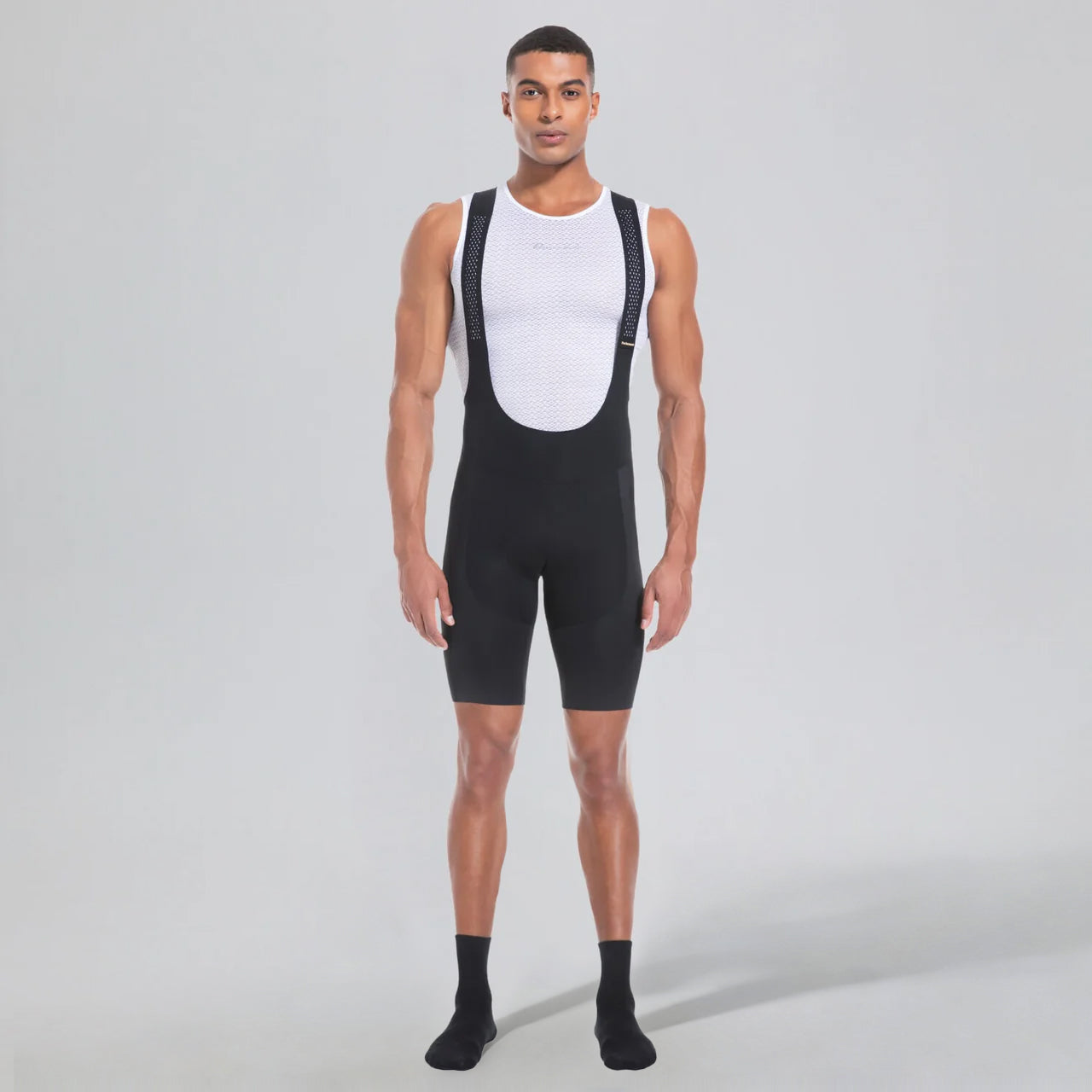
I have over 15 years in apparel sourcing for wholesale buyers, so I speak from repeated, measured trials: one men’s endurance cut I bought wholesale in 2021 cost me three finish-line sprints because of raw rub and poor flatlock stitching at the inner seam; that was a quantifiable consequence—12 minutes lost compared to my usual PB on the same course. I firmly believe the traditional solutions sellers pitch—thicker foam, more pads, tighter compression—often hide deeper design flaws. The chamois is treated like an add-on. Elastic bib straps are treated like an afterthought. Aerodynamics gets shouted about while basic moisture management fails. I vividly recall fixing a ride where compression in the thigh rode up after 40 minutes; the result was numbness in the hamstring and a forced stop to adjust—simple, avoidable, and costly for a wholesale buyer’s reputation. What follows is my direct account of where common fixes fail and which user pains stay hidden.

What is the real rider pain?
The short answer: inconsistent fit under load, poor wet-weather management, and seams that create focal pressure points—these are the root complaints I log most often. Next: practical fixes and comparative choices.
—
Comparing Fixes and Choosing Better pro cycle bib shorts
Now I shift tone to comparison and forward planning. In procurement meetings in Taipei and Hong Kong I compare three core approaches: refine chamois geometry, redesign leg grippers for stable compression, or rework bib straps for load distribution. I recommend buyers use three simple metrics to evaluate samples: pressure mapping (mmHg distribution), moisture transfer rate (g/m²/24h), and seam force points (N/cm). We ran pressure mapping on two test shorts in April 2024; the better model reduced peak pressure by 18% and cut post-ride numbness reports by half. That is measurable and actionable. When I examine a new batch I check flatlock stitching density, chamois foam density, and strap elasticity under repeated wash cycles—these are not marketing points, they are pass/fail checks for durability. I also advise comparing aerodynamic claims with on-bike tests; a short with claimed aero benefits but poor compression will still cost watts because of muscle flutter. (Do the math: 10 W lost over an hour compounds.)
What’s next? For wholesale buyers I suggest a small pilot order—50 to 200 units depending on SKU—and a staged field trial across two climates. Evaluate returns after three months, and insist on supplier data for tensile tests and fabric denier. I realize this feels procedural; still, these steps prevent costly recalls. One more note—listen to your riders. I did a blind test in Taichung in June 2022 with six local racers; feedback frequency correlated strongly with objective pressure peaks. Simple correlation, useful insight.
Three evaluation metrics to close (practical, not theoretical): pressure distribution consistency, moisture-transfer rate in real conditions, and seam durability after 30 wash cycles. I use them every sourcing round; they help me recommend specific SKUs to clients, and they lower return rates. For a reliable partner in this space, consider the product lineage at Przewalski Cycling.