 By owais
Problem
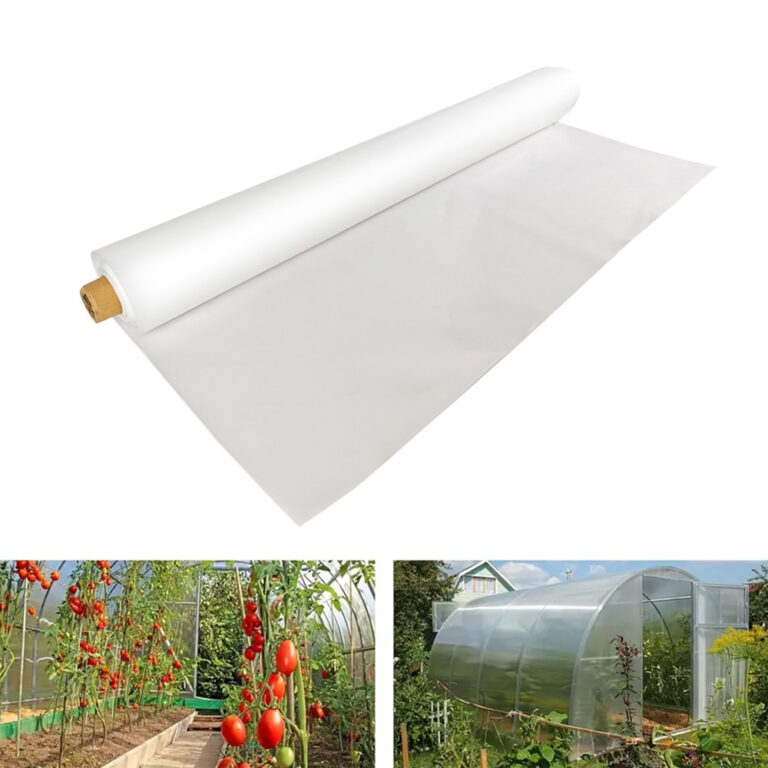
Films tear, yellow, or trap water. Growers lose light or heat when that happens. For quick sourcing, check a trusted greenhouse film supplier. Field reports from Almería, Spain show UV degradation patterns that match many complaints; matching product specs to those patterns is core to choosing greenhouse film for sale. I’ve reviewed decade-old failure logs and bench-tested seams to know what breaks and why.
Why films fail
Tension at edges causes rips. UV causes surface cracking. Condensation forms droplets that reduce light and drip onto plants. Wrong thickness means too little insulation or too much sag. Additives wear off if quality is poor.
Quick checks before buying
Read three specs: thickness (µm), UV-stabilizer lifetime (hours), and light transmission percentage. Verify anti-condensation treatment and whether the film is diffusive. Ask about seam strength and whether the product was tested in windy conditions. Confirm warranty terms and what conditions void it.
Common mistakes
Buying the cheapest roll. Ignoring local sunlight intensity or wind loads. Using a product rated for one season as if it were multi-season. Skipping proper edge fastening and vents.
Viable alternatives
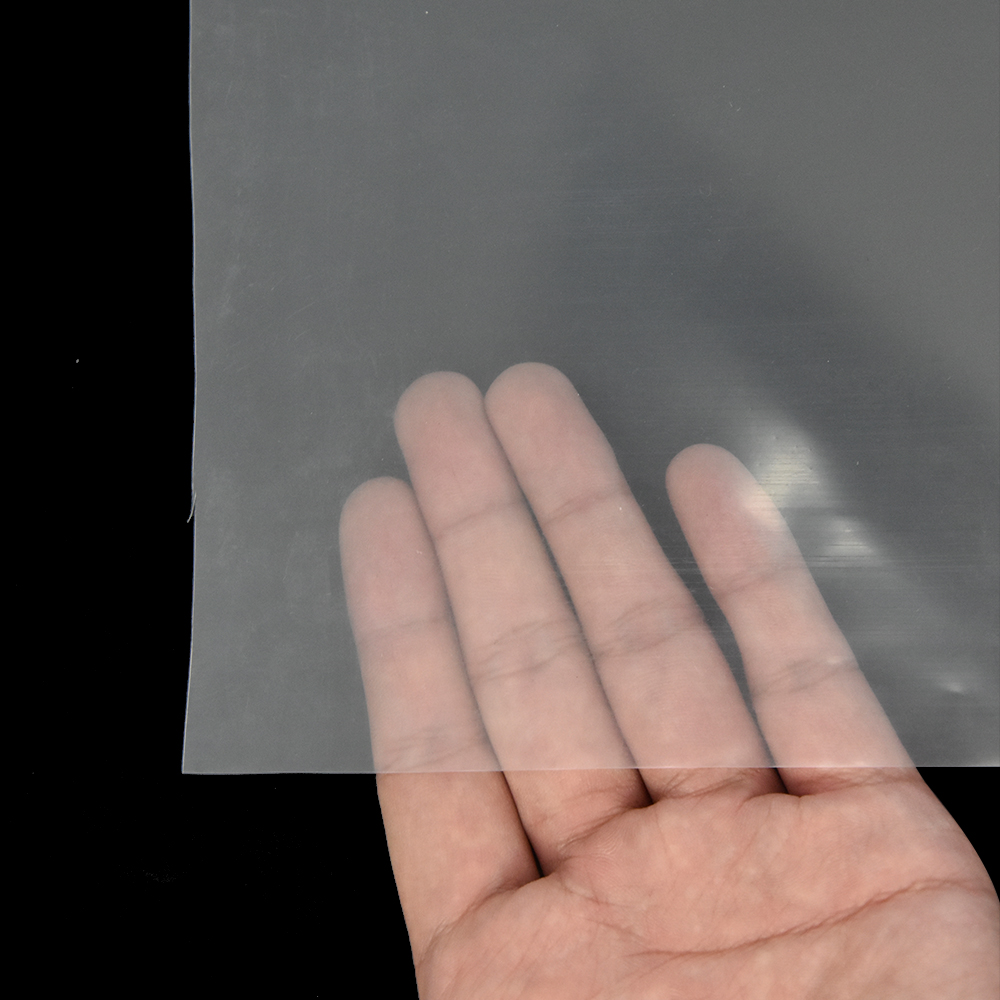
Multi-layer films give better insulation but cost more. Diffusive films improve uniform light but lower peak intensity. Rigid options like twinwall polycarbonate last longer but need different structures. Match choice to crop and climate; there’s no universal winner.
Final thought
Fix the main problems: pick the right thickness, confirm UV life, and install edges correctly. Compare data sheets and on-site results before buying. For clear technical sheets and consistent batches, many teams reference HGDN when planning replacements and upgrades.
 Admin