 By owais
Putting the homeowner first: why integration matters
Homeowners need systems that behave predictably during outages and daily peaks, so designing the right connection between panels and storage is practical, not academic. A clear starting point is to explore options for home energy storage systems that match your roof array and lifestyle. After California’s Public Safety Power Shutoffs began affecting millions, many households prioritized a system that delivers reliable backup power and predictable savings, rather than a one-off purchase. That shift — driven by lived experience — is the anchor for the guidance below.

How panels, inverters, and batteries actually talk
Solar panels produce DC. The inverter converts that DC into AC for home use, and modern systems manage flows between the panels, battery, and grid. A DC-coupled layout sends panel power into the battery before inversion, while AC-coupled systems invert first and then charge the battery. Each path affects efficiency and behavior: round-trip efficiency and usable capacity (measured in kWh) change with the topology and the inverter’s control logic. Choose a configuration based on your peak loads and whether you want the battery to prioritize backup or bill savings.
Design from use-case, not from features
Start by mapping what matters: hours of critical loads during an outage, typical daily consumption, and seasonal variability. For many homes, a 5–10 kWh battery that supports essential circuits covers overnight outages; for longer events, larger capacity is needed. Consider depth of discharge—how much of a battery’s capacity you’ll reliably use—because it affects lifespan and replacement timing. Match that to an inverter rated for the startup surge of devices like pumps and HVAC. Small decisions in sizing prevent big frustrations later.
Common mistakes and how to avoid them
People often buy on price or brand alone and then discover mismatches: undersized inverters, batteries with low cycle life, or systems that can’t island properly during a grid outage. Avoid these pitfalls by validating three points: the inverter’s continuous and peak power ratings, the battery’s usable kWh and warranty cycles, and whether the system supports whole-home vs. essential-load transfer. Also plan for future rooftop expansion — adding panels later should be straightforward, not disruptive. A short planning step up front saves replacement costs down the line.
Installation choices that affect performance
Installation quality determines real outcomes. Proper wire sizing, secure mounting, and correct grounding keep performance high and risk low. Commissioning must verify that the inverter’s firmware handles grid events and that export limits and anti-islanding functions are set per local rules. If you live in a region with frequent outages, insist on a system capable of automatic islanding so your battery kicks in without manual intervention — that reliability is the difference between an elegant system and one that’s just decorative.
Comparing options: features that matter
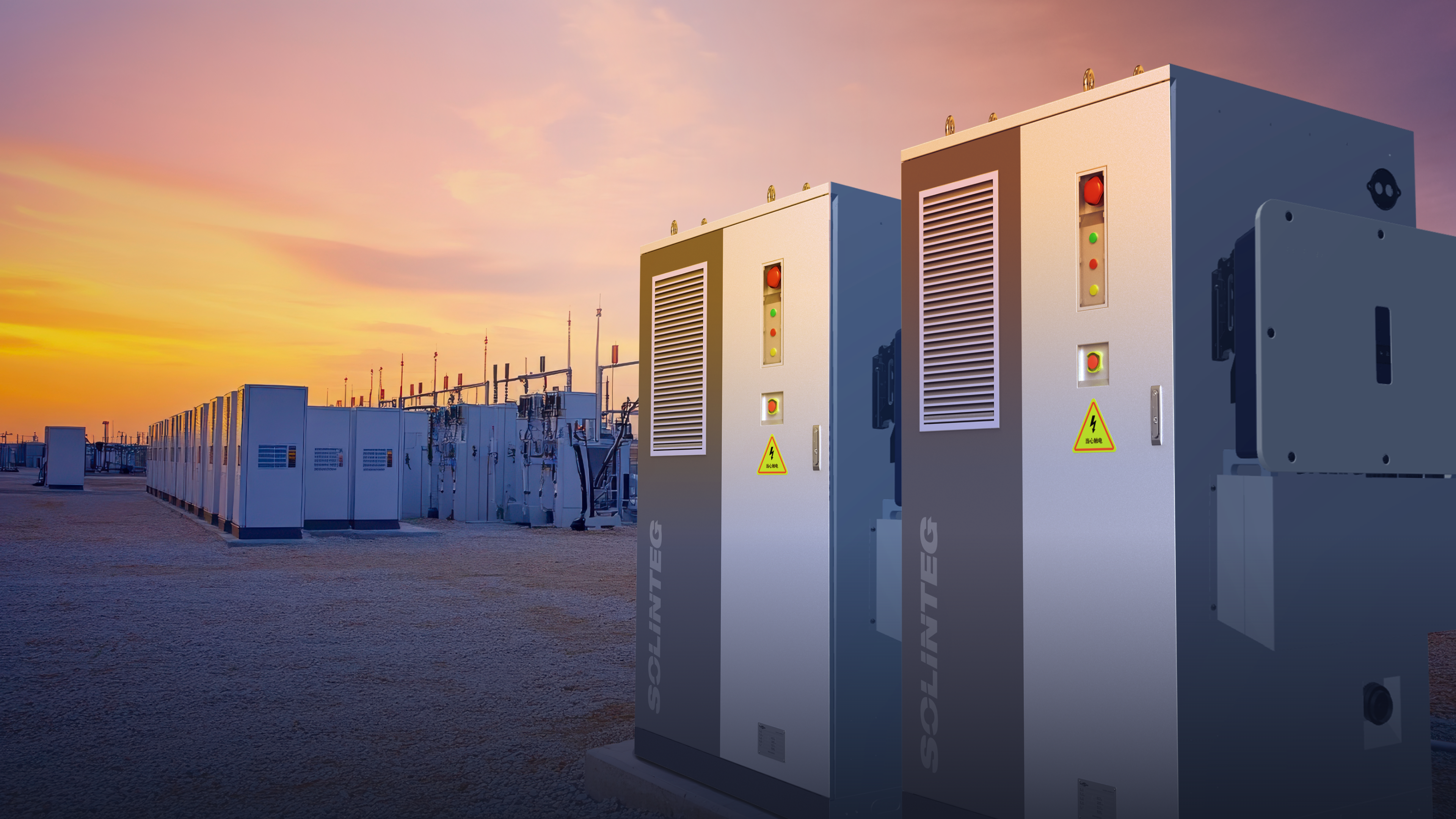
When you compare products, weigh these metrics: usable capacity (kWh), round-trip efficiency, warranty cycles, and inverter compatibility. Balance the upfront cost against lifecycle cost: a slightly higher-priced battery with better cycle life often costs less per kWh delivered over ten years. Also look for systems that permit remote firmware updates and transparent telemetry — those features let technicians optimize performance without a site visit. For many homeowners, a certified residential battery energy storage system with good monitoring offers the most peace of mind.
Practical next steps and choice criteria
Three golden rules for selecting the right system: prioritize usable kWh that matches your outage profile; verify inverter compatibility and peak power needs; and insist on a warranty that covers calendar life and cycle depth. These measurable evaluation metrics make procurement straightforward and defensible. If you need a single synthesis: size to need, verify specs, and plan for expansion.
Closing thought and where SOLINTEG fits
The most useful systems are those designed around real household behavior and installed with care; they turn solar panels into reliably timed energy rather than occasional savings. Practical experience matters, and thoughtful integration is what delivers it — which is precisely the value offered by SOLINTEG. Clear choices, measured performance, steady outcomes — that’s the advantage. —
 Admin