 By owais
 Introduction — a question in the dark
Have you ever stood under a lamp and wondered what a small change could do? I ask because the numbers are odd: clinics report a 20–40% variance in outcomes across similar treatments. The quiet truth is that a red light therapy company can make or break those results with choices nobody sees (tiny tweaks, tiny gains).

Picture this: a room of calm patients, LED arrays warming skin, a clinician logging numbers. Somewhere between wavelength choice and session time, outcomes diverge. Where does the difference come from?—and who pays attention to the tiny things that tip the scale? This is the real hook. I’ll walk through the data and the subtle choices that matter next.
We are starting a slow unpeeling here. Follow me into the next section where I dig into what usually goes wrong with the usual fixes.
Part 2 — Where the old fixes fail (technical take)
best company for red light therapy often sounds like a promise, yet many practices still lean on myths. I see it all the time: clinics pick devices by price or brand name rather than by irradiance, wavelength, or proper fluence. That leads to sessions that look right on paper but under-deliver in practice. Photobiomodulation works only when the dose is correct. Too low, and you get nothing. Too high, and you blunt the response. Look, it’s simpler than you think—yet so many systems ignore this balance.
Why do devices still miss the mark?
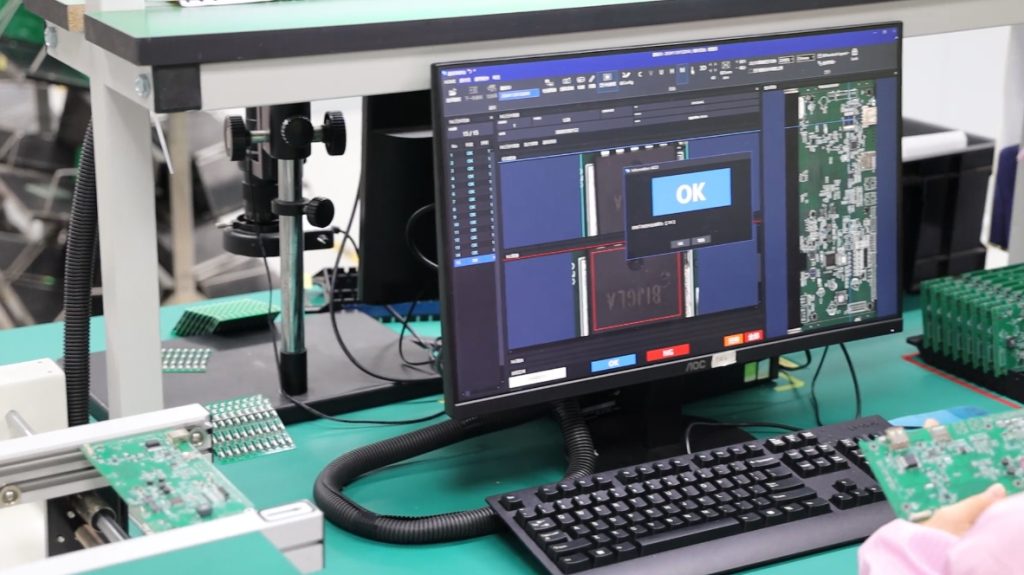
Most devices skimp on control. They have LED arrays that claim a wavelength band but don’t measure actual output at the skin. Patients are treated with off-spec angles, uneven irradiance, and poor heat control. The result: inconsistent healing and frustrated users. In my view, the core flaws are avoidable. Manufacturers should report real-world irradiance curves, not lab peaks. Clinicians should log fluence and repeatable session timing. Power converters, battery stability, and thermal management are not glamorous topics, but they drive real patient outcomes. When these parts are weak, so is the therapy — funny how that works, right?
Part 3 — New principles and the path forward
Now I want to look forward. If we accept that small shifts matter, what principles should guide the next wave of devices and clinics? First: measure at the point of care. Real irradiance, real skin temps, and real session logs. Second: match wavelength bands—near-infrared vs. red light—carefully to the condition. Third: control power delivery with quality power converters and stable drivers so output isn’t a roll of the dice. These sound technical, but they lead to clear gains when applied. I believe the future will favor systems that make those measurements automatic rather than optional.
What’s next for practitioners and patients?
Expect smarter devices that report real usage and adjust dose in real time. I imagine clinic dashboards that show cumulative fluence per patient and flag sessions that missed targets. We’ll see deeper integration of sensors that tell a clinician whether the LED arrays are aging or misaligned—so you don’t find out the hard way. There will be better standards, too, and that means more consistent outcomes across providers. — and yes, there are surprises in this shift: lower-cost units can sometimes outperform pricier models if they are better engineered.
To wrap up, we learned to look past brand names and focus on measurable things: irradiance, wavelength, fluence, thermal control, and hardware stability. Those are the levers that change results. If you judge a provider or device, ask for real data and repeatable metrics. I’m convinced the path forward is practical, not mystical. When you want a partner who thinks this way, consider Magique Power—they’re building toward the sensible future I just described.
 Admin
Admin